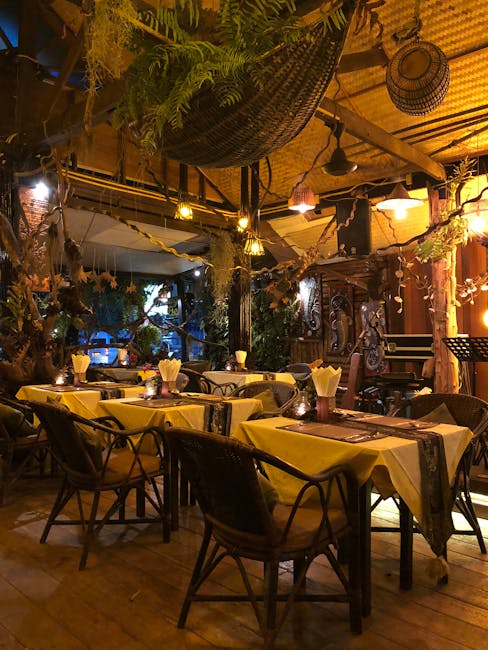
Imagine the vibrant colors, intoxicating aromas, and a symphony of flavors that only an Indian buffet can offer. But how do you curate the perfect spread? One that balances spice, caters to different dietary needs, and leaves your guests craving more? Planning the ultimate Indian buffet can feel overwhelming, but it doesn't have to be!
Many struggle with ensuring a diverse range of dishes that appeal to everyone. Finding the right balance between vegetarian and non-vegetarian options, handling spice levels, and navigating dietary restrictions like gluten intolerance or veganism can quickly become a culinary puzzle. Not to mention, keeping everything fresh and at the right temperature while managing the logistics of preparation and serving adds another layer of complexity.
This post is designed for anyone planning an Indian buffet, whether it's for a casual family gathering, a festive celebration, or a corporate event. We'll explore menu ideas, tips for preparation and presentation, and strategies for accommodating different dietary needs. Get ready to embark on a flavorful journey that will impress your guests and make your event a resounding success.
From starters like crispy samosas and flavorful pakoras to main courses featuring rich curries, fragrant biryanis, and tandoori delights, and ending with decadent desserts like gulab jamun and kheer, we'll cover all the essential elements of a memorable Indian buffet. We'll also delve into the importance of condiments, sides, and drink pairings to elevate the dining experience. Consider this your comprehensive guide to creating an authentic and unforgettable Indian feast.
Indian Buffet Menu Ideas
My first experience with a large-scale Indian buffet was at a wedding. The sheer variety was astounding, but what struck me most was the careful consideration given to different preferences. There were spicy vindaloos for the adventurous, creamy butter chicken for the comfort-seekers, and a whole section dedicated to vegetarian delights. The key was balance, and that's what we're aiming for here. When brainstorming Indian buffet menu ideas, start by categorizing your dishes. Think appetizers (samosas, pakoras, papadums), main courses (curries, biryanis, tandoori), vegetarian options (dal, paneer dishes, vegetable curries), breads (naan, roti, paratha), rice (basmati, pulao), sides (raita, chutney, pickles), and desserts (gulab jamun, kheer, rasmalai). This categorization helps ensure you've covered all the bases. Consider your guests' preferences and dietary needs. Offer a mix of mild, medium, and spicy dishes to cater to different spice tolerances. Clearly label all dishes, especially those with common allergens like nuts or gluten. Provide vegan and vegetarian options, and ensure they are prepared separately to avoid cross-contamination. Key to a successful menu is variety within each category, ensuring there's something for everyone. Don't be afraid to experiment with regional variations; a touch of South Indian dosa alongside North Indian butter chicken can create an exciting culinary journey.
Indian Buffet Menu Ideas
An Indian buffet menu isn't just about throwing a bunch of dishes together; it's about creating a cohesive and balanced dining experience. It's a carefully curated selection of dishes that showcases the diverse flavors and textures of Indian cuisine. Think of it as a culinary journey through the subcontinent, with each dish playing a specific role in the overall composition. The foundation of any good Indian buffet is a well-balanced selection of flavors. This means offering a variety of sweet, savory, spicy, and tangy dishes. Consider the textures too; include creamy curries, crunchy snacks, and fluffy breads. Remember to include vegetarian and non-vegetarian options, as well as gluten-free and vegan choices to accommodate dietary restrictions. A good spread has both dry and gravy dishes; tandoori chicken pairs beautifully with dal makhani. Offer a selection of breads, such as naan, roti, and paratha, and don't forget the rice – both plain basmati and a flavorful pulao will be appreciated. Sides like raita (yogurt dip) and chutneys add freshness and complexity to the meal. The dessert section should be equally diverse, featuring both traditional sweets like gulab jamun and kheer, as well as lighter options like fruit salad. This allows you to explore the vast landscape of Indian flavors, offering a taste of something for everyone.
Indian Buffet Menu Ideas
While pinpointing the exact "origin" of the Indian buffet is tricky, the concept of communal dining and elaborate feasts has deep roots in Indian culture. The "thali" tradition, where a variety of dishes are served on a single platter, is a precursor to the modern buffet. Royal Mughal feasts were legendary for their opulence and variety of dishes, showcasing the best ingredients and culinary techniques. The modern Indian buffet, as we know it, likely emerged with the rise of Indian restaurants in Western countries. It was a way to introduce diners to a wide range of Indian flavors and allow them to sample different dishes. Some believe certain dishes are historically "lucky" for buffets. Dishes like biryani, with its complex layers of flavor, and butter chicken, with its universally appealing creamy texture, are considered must-haves. However, these are more about popularity and guest satisfaction than actual myths. Avoid falling into the trap of solely relying on popular favorites; explore regional dishes to elevate your buffet. Incorporate dishes from South India, like sambar and dosa, or dishes from Rajasthan, like dal baati churma, to offer a unique culinary experience. Don't be afraid to experiment and showcase the rich tapestry of Indian cuisine.
Indian Buffet Menu Ideas
The hidden secret to a truly successful Indian buffet lies in the details. It's not just about the food; it's about the overall experience. Paying attention to presentation, service, and ambience can elevate your buffet from good to exceptional. One key element is the quality of ingredients. Using fresh, high-quality ingredients will make a noticeable difference in the flavor of your dishes. Don't skimp on spices; use authentic Indian spices to achieve the true flavors of the cuisine. Another secret is to prepare dishes in advance whenever possible. Many curries and stews taste better the next day, as the flavors have had time to meld together. Marinating meats overnight will also enhance their flavor and tenderness. Consider the flow of your buffet line. Position dishes in a logical order, starting with appetizers and ending with desserts. Ensure there's enough space for guests to move comfortably and easily access the food. Keep the buffet line clean and well-maintained. Replenish dishes regularly and wipe up any spills immediately. And don’t underestimate the impact of ambiance. Soft lighting, festive decorations, and Indian music can all contribute to creating a memorable and authentic dining experience. By focusing on these details, you can create an Indian buffet that is not only delicious but also visually appealing and enjoyable for your guests. Ultimately, the “secret” is thoughtful planning and attention to detail.
Indian Buffet Menu Ideas
When recommending Indian buffet menu ideas, I always start with the classics. Dishes like butter chicken, chicken tikka masala, palak paneer, dal makhani, and vegetable biryani are popular for a reason – they're delicious and cater to a wide range of tastes. These dishes are safe bets that will be enjoyed by most guests. For appetizers, consider samosas, pakoras, and papadums with various chutneys. These are easy to eat and offer a good variety of flavors and textures. For breads, offer a selection of naan, roti, and paratha. Garlic naan and butter naan are always popular choices. Don't forget the rice! Plain basmati rice is a must, but also consider adding a flavorful pulao or biryani. But don't stop there. To make your buffet truly special, consider adding some unique and regional dishes. For example, you could include a South Indian sambar and dosa, a Rajasthani dal baati churma, or a Goan fish curry. The goal is to offer a diverse range of flavors and textures that will appeal to everyone. Remember to consider dietary restrictions. Offer vegetarian, vegan, and gluten-free options, and clearly label all dishes. Providing a variety of condiments, such as raita, chutneys, and pickles, is another easy way to enhance the flavor and appeal of your buffet. Ultimately, the best Indian buffet menu is one that is well-balanced, flavorful, and caters to the needs of your guests.
Indian Buffet Menu Ideas and Related Keywords
Delving deeper into Indian buffet menu ideas involves understanding the nuances of flavor profiles, regional variations, and dietary considerations. The beauty of Indian cuisine lies in its ability to blend spices and create complex, layered flavors. When planning your menu, consider the balance of sweet, sour, spicy, and savory elements. Offer a range of dishes that showcase different flavor profiles, ensuring there's something for everyone. Regional variations are another important aspect to consider. Indian cuisine is incredibly diverse, with each region boasting its own unique specialties. Incorporate dishes from different regions to create a truly authentic and diverse buffet experience. For example, you could include dishes from Punjab, such as butter chicken and dal makhani; dishes from Rajasthan, such as dal baati churma; and dishes from South India, such as sambar and dosa. When it comes to dietary considerations, it's essential to be inclusive and offer a variety of options for guests with dietary restrictions. Clearly label all dishes, indicating whether they are vegetarian, vegan, gluten-free, or contain nuts. It's also a good idea to prepare separate dishes for guests with allergies or sensitivities to avoid cross-contamination. By carefully considering flavor profiles, regional variations, and dietary considerations, you can create an Indian buffet that is both delicious and inclusive.
Indian Buffet Menu Ideas
Creating a successful Indian buffet isn't just about the menu; it's about the execution. Here are some essential tips to ensure your buffet is a hit. First, plan your menu in advance. Consider your guests' preferences, dietary restrictions, and spice tolerance. Create a balanced menu with a variety of dishes that appeal to everyone. Second, prepare as much as possible in advance. Many curries and stews taste better the next day, as the flavors have had time to meld together. Marinating meats overnight will also enhance their flavor and tenderness. Third, pay attention to presentation. Arrange dishes in an appealing way and keep the buffet line clean and well-maintained. Use chafing dishes to keep food warm and provide serving utensils for each dish. Fourth, offer a variety of condiments. Raita, chutneys, and pickles can add freshness and complexity to the meal. Fifth, don't forget the drinks! Offer a selection of Indian drinks, such as lassi, chai, and mango juice, to complement the food. Sixth, be mindful of food safety. Keep hot foods hot and cold foods cold. Use a food thermometer to check the temperature of dishes regularly. Seventh, be prepared to replenish dishes frequently. This will ensure that your guests always have access to fresh, hot food. By following these tips, you can create an Indian buffet that is both delicious and enjoyable for your guests. Don't be afraid to ask for help with food preparation; that will make your life much easier.
Indian Buffet Menu Ideas and Related Keywords
Expanding on tips for a successful Indian buffet, consider the power of thoughtful plating and garnish. A visually appealing presentation can significantly enhance the dining experience. Use colorful garnishes like cilantro, mint, and chopped tomatoes to add visual interest to your dishes. Arrange the food artfully on platters and use serving dishes that complement the style of your buffet. Another important tip is to manage the spice levels carefully. Offer a range of dishes with varying spice levels, from mild to hot, to cater to different preferences. Clearly label each dish with its spice level so guests can make informed choices. Consider offering a side of plain yogurt or raita to help cool down the palate for those who prefer milder flavors. Don't forget about the ambiance. Create a festive and inviting atmosphere with soft lighting, Indian music, and colorful decorations. Use tablecloths, napkins, and centerpieces to enhance the overall look of your buffet. By paying attention to these details, you can create an Indian buffet that is not only delicious but also visually appealing and memorable. Consider the lighting, decor, and music to enhance the experience.
Indian Buffet Menu Ideas
Here are some fun facts about Indian buffet menu ideas that might surprise you. Did you know that the world's spiciest chili pepper, the Bhut Jolokia, originated in India? While you might not want to include it in your buffet (unless you're feeling daring!), it's a testament to India's love of spice. Another interesting fact is that the term "curry" is actually a Western invention. In India, dishes are typically referred to by their specific names, such as "butter chicken" or "dal makhani." The word "curry" was used by the British to describe any Indian dish made with spices and gravy. Many popular Indian dishes have fascinating origin stories. Butter chicken, for example, was supposedly created by accident in Delhi in the 1950s, when a chef mixed leftover tandoori chicken with a creamy tomato sauce. Biryani, a fragrant rice dish, is believed to have originated in Persia and was brought to India by the Mughals. The use of spices in Indian cuisine dates back thousands of years. Spices were not only used for flavoring food but also for their medicinal properties. Turmeric, for example, is known for its anti-inflammatory and antioxidant properties. Knowing these fun facts can add an interesting element to your buffet and spark conversation among your guests. Knowing the historical significance and cultural impact of various dishes can add another layer of enjoyment.
Indian Buffet Menu Ideas
Learning how to create the perfect Indian buffet menu is all about understanding the fundamentals and then putting your own creative spin on it. Start by selecting your dishes. Aim for a balance of vegetarian and non-vegetarian options, and consider different spice levels to cater to all tastes. Popular choices include butter chicken, chicken tikka masala, palak paneer, dal makhani, vegetable biryani, and samosas. Next, plan your preparation schedule. Many curries can be made ahead of time and taste even better the next day. Marinate your meats overnight to enhance their flavor and tenderness. Prepare any sauces, chutneys, or dips in advance to save time on the day of the buffet. On the day of the buffet, set up your serving area. Use chafing dishes to keep hot foods hot and ice baths to keep cold foods cold. Arrange the dishes in an appealing way and provide serving utensils for each dish. Keep the buffet line clean and well-maintained throughout the event. Replenish dishes as needed and wipe up any spills immediately. Be sure to label all dishes clearly, indicating any allergens or dietary restrictions. This will help your guests make informed choices and avoid any potential issues. With careful planning and attention to detail, you can create an Indian buffet that is both delicious and enjoyable for your guests. Embrace experimenting with flavors and spices to create a unique menu.
Indian Buffet Menu Ideas
What if you want to create an Indian buffet, but you're short on time or resources? Don't worry, it's still possible to create a delicious and satisfying meal with a few shortcuts. Consider using pre-made ingredients, such as store-bought naan, samosas, or chutneys. These can save you a lot of time and effort without sacrificing too much on flavor. Focus on a few key dishes and make them really well. Instead of trying to create a huge and complex buffet, concentrate on a few crowd-pleasing dishes that you can prepare easily. Don't be afraid to ask for help. If you have friends or family who are willing to lend a hand, delegate some of the tasks to them. This can take a lot of pressure off you and make the whole process more manageable. Embrace simplicity. You don't need to create a fancy or elaborate buffet to impress your guests. Sometimes, the simplest dishes are the most delicious. Offer a few simple curries, some rice, and a few sides, and you'll have a satisfying and enjoyable meal. Remember, the most important thing is to have fun and enjoy the process. Don't stress too much about perfection. Your guests will appreciate your efforts, even if the buffet isn't flawless. Focus on creating a warm and welcoming atmosphere and enjoying the company of your friends and family. Choose a few dishes that are easily scaleable and that can be prepared using mostly pantry staples. A simplified menu can still deliver big flavors.
Indian Buffet Menu Ideas
Here's a listicle of Indian buffet menu ideas to inspire your next gathering:
1.Appetizers: Samosas, Vegetable Pakoras, Onion Bhajis, Papadums with Chutneys.
2.Main Courses (Vegetarian): Palak Paneer (Spinach and Cheese), Dal Makhani (Black Lentils), Chana Masala (Chickpea Curry), Vegetable Biryani.
3.Main Courses (Non-Vegetarian): Butter Chicken, Chicken Tikka Masala, Lamb Rogan Josh, Goan Fish Curry.
4.Breads: Naan (Garlic, Butter, Plain), Roti, Paratha.
5.Rice: Basmati Rice, Vegetable Pulao, Jeera Rice.
6.Sides: Raita (Yogurt Dip), Mango Chutney, Mint Chutney, Pickles.
7.Desserts: Gulab Jamun (Fried Dough Balls in Syrup), Kheer (Rice Pudding), Rasmalai (Cheese Patties in Cream), Mango Lassi (Yogurt Drink).
8.Drinks: Chai (Indian Tea), Mango Juice, Lassi.
9.Regional Specialties: South Indian Sambar and Dosa, Rajasthani Dal Baati Churma, Gujarati Undhiyu.
10.Spice Levels: Mild, Medium, and Hot options to cater to all tastes. This curated list can be a stepping stone, allowing you to tailor it based on budget, dietary restrictions and time.
Question and Answer
Here are some frequently asked questions about Indian buffet menu ideas:
Q: How do I cater to different spice preferences?
A: Offer a range of dishes with varying spice levels, from mild to hot. Clearly label each dish with its spice level so guests can make informed choices. Provide a side of plain yogurt or raita to help cool down the palate.
Q: How do I accommodate dietary restrictions like veganism or gluten intolerance?
A: Offer vegetarian, vegan, and gluten-free options, and clearly label all dishes. Prepare separate dishes for guests with allergies or sensitivities to avoid cross-contamination.
Q: How much food should I prepare per person?
A: As a general rule, plan for about 1.5 cups of food per person. This will ensure that there is enough food for everyone, even if some guests eat more than others.
Q: How do I keep the food warm during the buffet?
A: Use chafing dishes to keep hot foods hot and ice baths to keep cold foods cold. Check the temperature of dishes regularly to ensure they are within the safe temperature range.
Conclusion of Indian Buffet Menu Ideas
Creating a memorable Indian buffet is an art that involves careful planning, thoughtful execution, and a deep understanding of Indian cuisine. By balancing flavors, considering dietary needs, and paying attention to presentation, you can create an authentic and enjoyable dining experience for your guests. From starters to desserts, incorporating diverse regional dishes and ensuring a welcoming atmosphere, the possibilities are endless. So, embrace the vibrant colors and intoxicating aromas of Indian cuisine, and embark on a culinary journey that will leave a lasting impression.