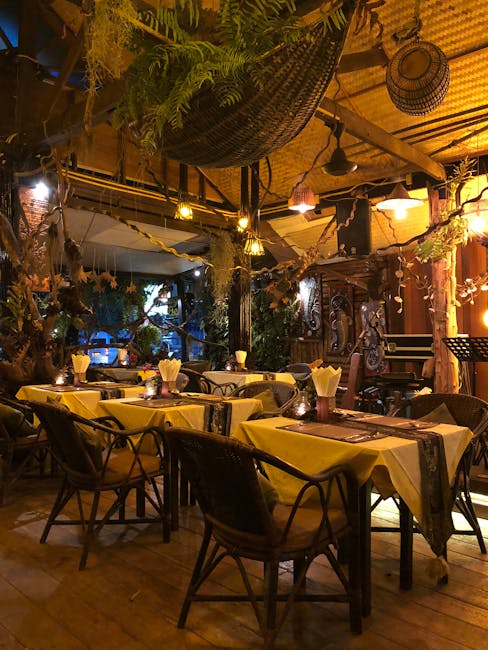
Imagine stepping back in time, not just to witness history, but to taste it. Forget the opulent grandeur of first class; let's journey to the heart of the Titanic, to the second-class dining room, and explore a menu that reveals a fascinating story of social class, culinary expectations, and the everyday lives of those aboard the ill-fated voyage.
Many historical accounts focus on the luxurious meals enjoyed by the wealthiest passengers, leaving those curious about the experiences of second-class passengers with unanswered questions. Details on what they ate, the variety of choices, and the overall quality of their dining experience are often sparse, leading to a gap in our understanding of life aboard the Titanic for a significant portion of its passengers.
This article aims to shed light on the Titanic's second-class menu, offering a glimpse into the culinary world of those who weren't the wealthiest but still enjoyed a level of comfort and quality above steerage. We will explore the typical dishes served, compare them to first and third-class options, and uncover the social significance of their dining experience.
We'll delve into the specifics of the dishes offered to second-class passengers on the Titanic, comparing them to the fare of both first and third class. We'll explore the historical context and what this menu reveals about societal distinctions of the era. Prepare to uncover the culinary experiences of the Titanic's second-class passengers.
Titanic Second Class Menu: A Glimpse into the Past
I remember visiting a maritime museum as a child and being captivated by a replica of a Titanic dining room. It wasn't the glitz of first class that drew me in, but the more modest, yet still elegant, setting of second class. I wondered what it would have been like to sit there, surrounded by fellow passengers, anticipating the meal to come. This curiosity sparked a lifelong interest in the culinary aspects of the Titanic's voyage, particularly the experiences of those in second class.
The Titanic's second-class menu was designed to offer a comfortable and satisfying dining experience for passengers who were primarily middle-class travelers: merchants, teachers, clergymen, and families. While not as extravagant as the first-class offerings, the food was still of good quality and provided a variety of choices. The menu typically included a selection of meat dishes, vegetables, soups, and desserts. Breakfast might feature items like oatmeal, fish, or grilled sausage, while lunch and dinner offered options like roast beef, baked fish, curried chicken, or vegetable stew. Passengers in second class dined in a dedicated dining saloon, enjoying a more formal setting than those in third class, with attentive service and a social atmosphere. The goal was to provide a pleasant and nourishing experience that reflected their social standing and travel aspirations.
Titanic Second Class Menu: History and Myth
The historical record offers glimpses into the Titanic's second-class menu through surviving passenger accounts, crew testimonies, and recovered menu cards. While myth often portrays only the lavish first-class dining, the reality is that second-class passengers enjoyed a respectable level of culinary comfort. Some myths suggest that second-class dining was almost identical to first class, but this is inaccurate. While better than third class, it lacked the extensive choices and luxurious ingredients of the first-class menu. Second-class passengers had fewer options, plainer presentations, and less access to rare delicacies. The menu reflected their social position, a step above steerage, but still a clear distinction from the elite travelers.
Historians and researchers continue to piece together the details of the Titanic's second-class menu by analyzing primary source documents. These resources help to discern fact from fiction, providing a more accurate understanding of the food served and the dining experience for these passengers. The Titanic, a symbol of Edwardian luxury, offers an intriguing lens through which to study the societal and class distinctions of the era. The menu choices, dining room ambiance, and service styles were all carefully calibrated to uphold these boundaries.
Titanic Second Class Menu: Hidden Secrets
The "hidden secrets" of the Titanic's second-class menu lie not in scandalous ingredients, but rather in what it reveals about the social fabric of the time. One secret is the deliberate attempt to create a dining experience that mirrored middle-class aspirations. The food was wholesome and familiar, but with touches of elegance to elevate the experience. Another subtle secret is the menu's reflection of cultural diversity. While primarily British in style, the menu incorporated dishes that appealed to a broader range of palates, acknowledging the international composition of the passengers. Furthermore, the second-class menu also served as a point of comparison for passengers traveling in third class, further emphasizing class distinctions.
The availability of certain ingredients and the preparation methods also offered subtle insights into the challenges of provisioning such a large voyage. Preserved foods, like canned goods and cured meats, played a significant role in maintaining the supply of food during the transatlantic journey. These menu considerations, while seemingly mundane, offer a glimpse into the logistical complexities of operating a floating city like the Titanic. By studying the second-class menu, historians can uncover fascinating details about the daily lives and social dynamics of the passengers aboard this iconic ship.
Titanic Second Class Menu: Recommendations
If you're interested in recreating a Titanic second-class dining experience, I would recommend starting with dishes like Roast Beef with Gravy, Baked Fish, and Plum Pudding. These were common items on the menu and are relatively easy to prepare. For a truly authentic touch, research traditional recipes from the Edwardian era. Consider using high-quality ingredients and focusing on simple, flavorful preparations. Don't be afraid to experiment with variations on these dishes, as the exact menu likely varied from day to day. It’s worth also exploring the drinks that would have been available.
To enhance the ambiance, create a dining setting that reflects the second-class dining room. Use simple, elegant tableware and linens. Play period music and encourage your guests to dress in Edwardian-era attire. Remember, the goal is to create a memorable experience that transports you back in time. By recreating these menu items and the dining atmosphere, you can gain a deeper appreciation for the lives of the second-class passengers on the Titanic. This hands-on approach brings history to life, making it more engaging and personal.
Titanic Second Class Menu and related keywords
To further explore the topic of Titanic Second Class Menu, let’s dive into some of the related keywords. Keywords like "Edwardian cuisine," "middle-class dining," and "historical food" provide valuable context for understanding the menu's significance. The term "class distinctions" highlights the social implications of the different dining experiences on the Titanic. Researching these keywords can help you uncover additional information about the specific ingredients used, the preparation methods, and the cultural influences that shaped the second-class menu. The term "Titanic passenger accounts" provides a great way to learn about the actual lived experience.
Another helpful keyword is "White Star Line," the company that owned the Titanic. Understanding the White Star Line's business practices and culinary philosophy can shed light on the company's approach to providing meals for its passengers. Remember to use credible sources when conducting your research. Museums, historical societies, and academic journals are excellent resources for accurate and reliable information. By exploring these related keywords and resources, you can gain a more comprehensive understanding of the Titanic's second-class menu and its historical significance. The overall goal is to create a picture as accurate as possible.
Titanic Second Class Menu: Tips
When researching the Titanic second-class menu, it's essential to be mindful of the biases that may exist in historical accounts. First-class dining often receives more attention, so be prepared to dig deeper to uncover information about second-class fare. Look for primary source documents, such as passenger letters and diaries, which may provide firsthand accounts of their dining experiences. Also, be aware that the menu likely varied throughout the voyage depending on the availability of ingredients and the ship's location. The menu was also different at breakfast, lunch and dinner.
Another helpful tip is to compare the second-class menu to the menus of other ships from the same era. This can provide a broader context for understanding the quality and variety of food offered. When recreating dishes from the Titanic second-class menu, don't be afraid to experiment with substitutions and variations. Remember, the goal is to capture the essence of the dining experience, not to create a perfect replica. By being resourceful, critical, and creative, you can gain a deeper appreciation for the culinary world of the Titanic's second-class passengers. Research the food preparation and cooking methods of the time.
Titanic Second Class Menu and related keywords
Delving deeper into related keywords such as "Edwardian pantry," "food preservation techniques," and "immigrant foodways" can greatly enrich your understanding of the Titanic's second-class menu. The keyword "Edwardian pantry" will provide valuable insights into the types of foods that were commonly available during that era. Exploring "food preservation techniques" will shed light on how food was stored and transported on long voyages. This also includes the processes of pickling, salting and drying, that were used to preserve food.
The keyword "immigrant foodways" can reveal the cultural influences that may have shaped the menu, as many second-class passengers were immigrants traveling to America. Remember that the Titanic was a microcosm of society, and its food reflected the diverse backgrounds and culinary traditions of its passengers. By exploring these related keywords, you can gain a more nuanced and comprehensive understanding of the Titanic's second-class menu and its historical context. You can also find interesting historical recipes.
Titanic Second Class Menu: Fun Facts
Did you know that the Titanic had its own dairy cows onboard to provide fresh milk for the passengers? Or that the ship's kitchens were equipped with state-of-the-art ovens and cooking equipment? Another fun fact is that the second-class dining room was located on D-Deck, offering a more intimate and social atmosphere than the grand first-class dining room. The kitchen was also huge, with many separate spaces for different types of preparation. Furthermore, chefs also had to cater for a range of dietary requirements.
The sheer scale of the operation is mind-boggling, with tons of food needed. The food was of great concern. Another interesting fact is that some second-class passengers brought their own food with them, particularly those with dietary restrictions or preferences. The Titanic's second-class menu offers a fascinating glimpse into the culinary world of a bygone era. By exploring these fun facts, you can gain a deeper appreciation for the details of the Titanic's voyage and the lives of its passengers. The Titanic's food was definitely the way to many hearts!
Titanic Second Class Menu: How To
To recreate a Titanic second-class menu at home, start by researching authentic recipes from the Edwardian era. Cookbooks and historical cooking websites are excellent resources. Focus on simple, flavorful dishes that use high-quality ingredients. For example, you might prepare a roast chicken with potatoes and vegetables, a hearty beef stew, or a classic plum pudding. Remember to present the food in a simple, elegant style, reflecting the second-class dining experience. The preparation of the food is also something to research.
To enhance the ambiance, set your table with simple, elegant linens and tableware. Play period music and consider dressing in Edwardian-era attire. Involve your guests in the cooking and preparation process, making it a collaborative and engaging experience. Another method for recreating it is to book a Titanic-themed afternoon tea or dinner. Remember, the goal is to transport yourself back in time and experience a taste of history. By following these steps, you can create a memorable and authentic Titanic second-class dining experience in your own home. The food should, where possible, be organic.
Titanic Second Class Menu: What If
What if the Titanic hadn't sunk? The second-class menu would likely have evolved over time, incorporating new dishes and reflecting changing culinary trends. Perhaps it would have become more international in flavor, reflecting the increasing diversity of passengers. The dining experience might have become more casual, with less emphasis on formal etiquette. The White Star Line would probably have innovated the offerings. The availability of fresher ingredients may have improved.
However, the fundamental principles of providing a comfortable and satisfying dining experience for middle-class passengers would likely have remained the same. The second-class menu would have continued to be a reflection of social class and cultural identity. It would also reflect improvements in technologies, and changing patterns of taste. The ship would have potentially still had many accidents. Overall, the food would probably have changed a lot.
Titanic Second Class Menu: Listicles
Here are some listicles related to the Titanic Second Class Menu:
1. Five Must-Try Dishes from the Titanic Second Class Menu
2. Ten Fun Facts About Dining in Second Class on the Titanic
3. Three Ways to Recreate a Titanic Second Class Dining Experience at Home
4. Four Myths and Realities of the Titanic Second Class Menu
5. The Best Resources for Researching the Titanic Second Class Menu
These listicles offer a quick and easy way to explore different aspects of the Titanic Second Class Menu. They are great for those who want to learn more about the topic without diving into extensive research. The listicle format makes the information accessible and engaging, perfect for sharing with friends and family. They offer specific points to highlight.
Question and Answer about Titanic Second Class Menu
Q: Was the food in second class as good as in first class?
A: No, while the food in second class was of good quality and offered variety, it lacked the extravagance and extensive choices of the first-class menu.
Q: Where did second-class passengers dine?
A: Second-class passengers dined in a dedicated dining saloon located on D-Deck, which offered a more formal setting than the third-class dining area.
Q: What were some typical dishes served in second class?
A: Typical dishes included roast beef, baked fish, curried chicken, vegetable stew, and plum pudding.
Q: How can I recreate a Titanic second-class dining experience at home?
A: Research authentic recipes from the Edwardian era, use high-quality ingredients, set your table with elegant linens and tableware, play period music, and consider dressing in Edwardian-era attire.
Conclusion of Titanic Second Class Menu
Exploring the Titanic's second-class menu offers a fascinating window into the lives of those who weren't the wealthiest but still enjoyed a level of comfort and quality above steerage. By examining the dishes served, the dining atmosphere, and the social context, we can gain a deeper appreciation for the diverse experiences of passengers aboard this iconic ship and a clear insight of the era.