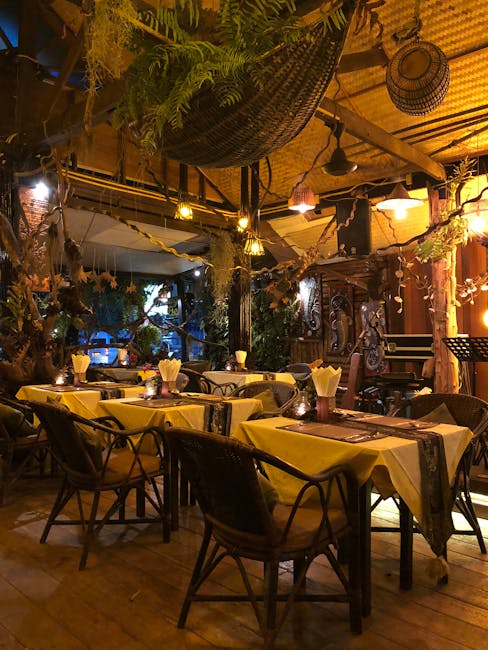
Imagine fragrant rice, a medley of curries, crispy poppadums, and a vibrant array of side dishes, all served on a fresh, green banana leaf. This isn't just a meal; it's an experience, a celebration of South Indian flavors that tantalizes the senses. Ready to dive into the world of Banana Leaf Rice?
Finding an authentic and consistently delicious Banana Leaf Rice experience can sometimes be a challenge. It can be frustrating to encounter establishments where the curries lack depth, the rice is dry, or the overall cleanliness is questionable. The search for that perfect blend of spice, freshness, and affordability can be a long and winding road.
This article is for anyone who appreciates authentic South Indian cuisine and is on the hunt for the ultimate Banana Leaf Rice experience. Whether you're a seasoned connoisseur or a curious foodie looking to explore new flavors, this guide will provide insights into what makes Banana Leaf Rice so special and where to find the best.
In this exploration of Banana Leaf Rice, we'll delve into its origins, traditions, and the unique culinary experience it offers. We'll uncover hidden gems, share recommendations, and provide tips for maximizing your enjoyment of this South Indian staple. Prepare to embark on a flavorful journey that will leave you craving more. Key words include South Indian cuisine, authentic flavors, curries, rice, vegetarian options, spice levels, and cultural experience.
Banana Leaf Rice Restaurant: A Personal Encounter
My first encounter with Banana Leaf Rice was nothing short of a revelation. I remember walking into a small, unassuming restaurant, the air thick with the aroma of spices and the murmur of satisfied diners. I was immediately struck by the vibrant green of the banana leaf placed before me, a stark contrast to the white tablecloth. The server, with a warm smile, ladled generous portions of rice, vegetable curries, and a flavorful dhal onto the leaf. Hesitantly, I took my first bite. The explosion of flavors – tangy, spicy, and subtly sweet – was unlike anything I had ever tasted. The textures, too, were a delight, from the soft rice to the crispy poppadums. It was more than just a meal; it was a sensory journey that transported me to another world. This experience sparked a deep appreciation for South Indian cuisine and a lifelong quest to find the perfect Banana Leaf Rice. The beauty of Banana Leaf Rice lies not just in the taste, but also in the communal aspect of the dining experience. It encourages a connection with the food and with the people you are sharing the meal with. It's a hands-on experience, literally, as you use your fingers to mix the rice and curries, savoring each and every morsel. And let's not forget the health benefits! Eating on a banana leaf is believed to impart antioxidants and other beneficial compounds to the food. The leaf itself is biodegradable and sustainable, making it an environmentally friendly choice. So, the next time you're looking for a truly unique and satisfying culinary experience, venture out and discover the magic of Banana Leaf Rice.
Banana Leaf Rice Restaurant: What is it?
Banana Leaf Rice is a traditional South Indian meal served on a banana leaf. It typically consists of steamed rice, a variety of vegetable and lentil curries (like sambar, rasam, and kootu), and an assortment of side dishes such as pickles, papadums, and yogurt. The beauty of this dish lies in its simplicity and the harmonious blend of flavors. The banana leaf itself is not just a plate; it imparts a subtle aroma and flavor to the food, enhancing the overall dining experience. The heat from the rice and curries releases essential oils from the leaf, adding a unique fragrance that complements the spices. Moreover, eating on a banana leaf is considered hygienic and eco-friendly. It's a biodegradable and sustainable alternative to plastic or paper plates. The act of eating with your hands is also an integral part of the Banana Leaf Rice experience. It allows you to fully engage with the food, feeling the textures and aromas, and creating a deeper connection with the meal. Different regions of South India have their own variations of Banana Leaf Rice. In Tamil Nadu, you might find a wider selection of non-vegetarian curries, while in Kerala, the focus is often on seafood and coconut-based dishes. Regardless of the regional variations, the core elements of rice, curries, and side dishes remain the same, offering a flavorful and satisfying meal that celebrates the rich culinary heritage of South India. Exploring the different regional variations of Banana Leaf Rice can be a fascinating culinary adventure, allowing you to discover new flavors and ingredients. Remember to ask your server about the specific regional influences of the Banana Leaf Rice you are ordering.
Banana Leaf Rice Restaurant: History and Myth
The origins of Banana Leaf Rice are deeply intertwined with the cultural and culinary traditions of South India. While pinpointing an exact date is difficult, it's believed that this practice has been around for centuries, passed down through generations. The use of banana leaves as plates stems from the abundance of banana trees in the region and the leaf's natural properties – its large size, waterproof surface, and subtle fragrance. In ancient times, banana leaves were readily available and provided a hygienic and practical way to serve food, especially during communal gatherings and festivals. Over time, the practice evolved into a culinary tradition, with specific dishes and flavors becoming associated with Banana Leaf Rice. The arrangement of food on the leaf also became standardized, with certain items placed in specific locations based on their flavor profile and intended order of consumption. There are also several myths and legends surrounding Banana Leaf Rice. One popular belief is that eating on a banana leaf is considered auspicious and brings good fortune. The leaf is seen as a symbol of prosperity and abundance, and the act of sharing a meal on it is believed to strengthen bonds and foster harmony. Another myth is that the banana leaf possesses medicinal properties. It is said to contain antioxidants and other beneficial compounds that can aid digestion and promote overall health. While these claims may not be scientifically proven, they highlight the deep-rooted cultural significance and perceived benefits of eating on a banana leaf. The history and myths surrounding Banana Leaf Rice add another layer of depth to this already fascinating culinary tradition. It's a testament to the ingenuity and resourcefulness of the people of South India, who transformed a simple banana leaf into a symbol of culinary excellence and cultural identity.
Banana Leaf Rice Restaurant: Hidden Secrets
Beyond the familiar curries and side dishes, Banana Leaf Rice holds several hidden secrets that contribute to its unique appeal. One secret lies in the quality and freshness of the ingredients. Authentic Banana Leaf Rice restaurants prioritize using locally sourced produce and freshly ground spices to create dishes that are bursting with flavor. The chefs often have their own secret recipes and techniques, passed down through generations, that elevate their Banana Leaf Rice to a whole new level. Another secret is the art of balancing flavors. A well-executed Banana Leaf Rice will feature a harmonious blend of sweet, sour, spicy, and savory elements, creating a symphony of taste sensations. The chef carefully considers the flavor profile of each dish and arranges them on the leaf in a way that complements and enhances each other. The sequence in which you eat the dishes also plays a crucial role in the overall experience. Typically, you start with the milder dishes, such as yogurt and pickles, and gradually progress to the spicier curries. This allows your palate to adjust to the increasing heat and appreciate the subtle nuances of each flavor. Furthermore, the banana leaf itself holds a hidden secret. As mentioned earlier, it imparts a subtle aroma and flavor to the food, enhancing the dining experience. The leaf also contains antioxidants and other beneficial compounds that are believed to have health benefits. Finally, the atmosphere of the restaurant can also contribute to the hidden secrets of Banana Leaf Rice. Authentic establishments often have a warm and inviting ambiance, with friendly staff and a lively atmosphere that makes you feel like you're part of the community. These hidden secrets, combined with the delicious food and cultural significance, make Banana Leaf Rice a truly special and unforgettable culinary experience.
Banana Leaf Rice Restaurant: Recommendations
Finding the best Banana Leaf Rice restaurant can be an adventure in itself. Here are some recommendations to guide your culinary journey: First, seek out restaurants that specialize in South Indian cuisine. These establishments are more likely to have chefs with the expertise and passion to create authentic and flavorful Banana Leaf Rice. Look for places that have been around for a long time and have a loyal following. This is often a sign of consistent quality and a commitment to tradition. Read online reviews and ask for recommendations from friends and family. This can help you narrow down your options and find hidden gems that you might not otherwise discover. When you arrive at the restaurant, pay attention to the ambiance and cleanliness. A well-maintained and inviting atmosphere is a good indication that the restaurant takes pride in its food and service. Don't be afraid to ask the staff about the dishes and their ingredients. A knowledgeable and friendly staff can enhance your dining experience and help you choose the best options for your palate. Try a variety of dishes and experiment with different flavor combinations. This is the best way to discover your own personal preferences and appreciate the diversity of South Indian cuisine. Be sure to sample the different types of curries, side dishes, and pickles. Pay attention to the quality and freshness of the ingredients. The best Banana Leaf Rice restaurants use locally sourced produce and freshly ground spices to create dishes that are bursting with flavor. Finally, don't forget to enjoy the experience! Banana Leaf Rice is more than just a meal; it's a cultural tradition that should be savored and appreciated. Relax, immerse yourself in the flavors, and enjoy the company of your fellow diners. With these recommendations in mind, you're sure to find a Banana Leaf Rice restaurant that you'll love.
Banana Leaf Rice Restaurant and Related Keywords
Understanding the nuances of Banana Leaf Rice requires a deeper dive into related keywords that define its essence. "South Indian Cuisine" is the umbrella term encompassing the diverse culinary traditions of the region, with Banana Leaf Rice being a prominent example. "Curries" are the heart and soul of the meal, ranging from vegetable-based (like "sambar" and "kootu") to lentil-based (like "dhal"). "Rice" is the foundation, typically steamed and often a short-grain variety. "Vegetarian Options" are abundant, making Banana Leaf Rice a popular choice for those who abstain from meat. "Spice Levels" can vary significantly, from mild and aromatic to fiery and intense, catering to different preferences. "Authentic Flavors" are crucial, reflecting the traditional recipes and techniques passed down through generations. "Cultural Experience" is an integral part of Banana Leaf Rice, encompassing the use of the banana leaf, eating with your hands, and the communal atmosphere. Other important keywords include "papadums" (crispy lentil wafers), "pickles" (tangy and spicy condiments), "rasam" (a thin, flavorful soup), and "payasam" (a sweet dessert). Exploring these keywords allows you to appreciate the complexity and diversity of Banana Leaf Rice and its place within South Indian cuisine. Understanding the different types of curries and side dishes can help you make informed choices and customize your Banana Leaf Rice experience to your liking. For example, if you prefer milder flavors, you might opt for a vegetable kootu and avoid the spicier sambar. Conversely, if you enjoy a fiery kick, you might ask for extra chili pickle or a hotter version of the rasam. By familiarizing yourself with these keywords, you can become a more informed and discerning Banana Leaf Rice enthusiast.
Banana Leaf Rice Restaurant: Tips
To truly savor the Banana Leaf Rice experience, consider these helpful tips: First, arrive hungry! Banana Leaf Rice is a generous meal, and you'll want to have plenty of room to sample all the delicious dishes. Second, don't be afraid to eat with your hands. It's the traditional way to enjoy Banana Leaf Rice and allows you to fully engage with the flavors and textures. Wash your hands thoroughly before you begin. Third, start with the milder dishes, such as yogurt and pickles, and gradually work your way up to the spicier curries. This will help your palate adjust to the increasing heat. Fourth, mix the rice and curries together with your fingers. This allows the flavors to blend and create a harmonious taste sensation. Fifth, use the banana leaf as a guide. Different dishes are typically placed in specific locations on the leaf, and the server can explain the intended order of consumption. Sixth, don't hesitate to ask for refills. Most Banana Leaf Rice restaurants offer unlimited rice and curries, so feel free to ask for more of your favorites. Seventh, try the different types of pickles and chutneys. They add a burst of flavor and texture to the meal. Eighth, end your meal with a sweet treat, such as payasam or kesari. It's the perfect way to cleanse your palate and complete the dining experience. Ninth, be respectful of the traditions and customs. Banana Leaf Rice is a cultural experience, so take the time to appreciate the history and significance of the meal. Finally, relax and enjoy yourself! Banana Leaf Rice is a communal and convivial experience, so savor the flavors, the company, and the atmosphere. By following these tips, you can ensure a truly memorable and satisfying Banana Leaf Rice experience.
Banana Leaf Rice Restaurant and related keywords
Delving deeper into Banana Leaf Rice and its related keywords unveils fascinating nuances. Consider "sambar," a lentil-based vegetable stew, a cornerstone of the meal. Its variations are endless, with regional twists incorporating different vegetables and spices. "Rasam," a thin, tangy soup, offers a palate-cleansing contrast to the richer curries. Its peppery broth aids digestion and adds a refreshing element. "Kootu," a vegetable and lentil dish cooked with coconut, provides a creamy and comforting texture. Its subtle sweetness balances the spicier elements of the meal. "Papadums," crispy lentil wafers, offer a satisfying crunch and a salty counterpoint to the other dishes. Their airy texture adds a delightful contrast to the softer elements of the meal. "Pickles," tangy and spicy condiments, stimulate the appetite and add a burst of flavor. Their variety is vast, ranging from mango and lime to carrot and chili. "Payasam," a sweet dessert made with milk, rice, and sugar, provides a satisfying conclusion to the meal. Its creamy sweetness cleanses the palate and leaves a lingering sense of contentment. Understanding these individual components allows you to appreciate the complexity of Banana Leaf Rice and customize your experience to your liking. For example, if you're sensitive to spice, you might opt for a milder sambar and avoid the spicier pickles. Conversely, if you enjoy a fiery kick, you might ask for extra chili pickle or a hotter version of the rasam. By familiarizing yourself with these keywords, you can become a more informed and discerning Banana Leaf Rice enthusiast.
Banana Leaf Rice Restaurant: Fun Facts
Prepare to be amazed by these fun facts about Banana Leaf Rice: Did you know that the banana leaf is not just a plate; it's also a natural flavor enhancer? The heat from the rice and curries releases essential oils from the leaf, imparting a subtle aroma and flavor to the food. Eating on a banana leaf is considered eco-friendly because the leaf is biodegradable and sustainable. It's a much better alternative to plastic or paper plates. The banana leaf is also believed to have health benefits. It contains antioxidants and other beneficial compounds that can aid digestion and promote overall health. Different parts of the banana leaf are used for different purposes. The central vein is used for making ropes and mats, while the outer layers are used for wrapping food. The arrangement of food on the banana leaf is not random; it follows a specific order. The rice is typically placed in the center, with the curries and side dishes arranged around it. The order in which you eat the dishes is also important. Typically, you start with the milder dishes and gradually progress to the spicier ones. Banana Leaf Rice is often served during festivals and celebrations in South India. It's a symbol of prosperity and abundance. Eating with your hands is an integral part of the Banana Leaf Rice experience. It allows you to fully engage with the food and connect with the culture. Banana Leaf Rice is not just a meal; it's a sensory experience that involves all five senses. The aroma, the taste, the texture, the sight, and the sound all contribute to the overall enjoyment. Finally, Banana Leaf Rice is a reminder of the rich culinary heritage of South India and the importance of preserving cultural traditions. These fun facts add another layer of appreciation to this already fascinating culinary experience.
Banana Leaf Rice Restaurant: How To
Mastering the art of eating Banana Leaf Rice is easier than you think! First, find a reputable Banana Leaf Rice restaurant. Look for places that specialize in South Indian cuisine and have a good reputation for quality and authenticity. Second, prepare your hands. Wash them thoroughly with soap and water before you begin. Third, examine the banana leaf. It should be clean and fresh. If there are any tears or blemishes, ask for a new leaf. Fourth, observe the arrangement of food. The rice is typically placed in the center, with the curries and side dishes arranged around it. Fifth, start with the milder dishes. Begin with the yogurt and pickles to cleanse your palate. Sixth, mix the rice and curries together. Use your fingers to blend the flavors and textures. Seventh, eat with your right hand. It's considered more hygienic in South Indian culture. Eighth, use your fingertips to scoop up the food. Avoid using your palm or knuckles. Ninth, pace yourself. Don't try to eat too quickly. Savor the flavors and enjoy the experience. Tenth, don't be afraid to make a mess. It's perfectly acceptable to get your hands dirty while eating Banana Leaf Rice. Eleventh, ask for refills. Most Banana Leaf Rice restaurants offer unlimited rice and curries, so feel free to ask for more of your favorites. Twelfth, dispose of the banana leaf properly. Most restaurants have designated bins for used banana leaves. Finally, thank the staff for their hospitality. A polite and appreciative gesture is always appreciated. By following these simple steps, you can enjoy a truly authentic and satisfying Banana Leaf Rice experience. Remember, the key is to relax, immerse yourself in the flavors, and enjoy the company of your fellow diners.
Banana Leaf Rice Restaurant: What If
Let's explore some "what if" scenarios related to Banana Leaf Rice: What if you're a vegetarian? No problem! Banana Leaf Rice is inherently vegetarian-friendly, with a wide variety of vegetable and lentil curries to choose from. Just let the staff know your dietary preferences. What if you're allergic to certain foods? Be sure to inform the staff about any allergies you have, such as nuts, dairy, or gluten. They can help you choose dishes that are safe for you to eat. What if you don't like spicy food? Ask the staff for milder options. They can recommend dishes that are less spicy or provide you with a side of yogurt to cool down the heat. What if you've never eaten with your hands before? Don't worry, it's easier than you think! Just relax and try to imitate what others are doing. It's a fun and sensory experience. What if you make a mess? It's perfectly acceptable to get your hands dirty while eating Banana Leaf Rice. Just wipe your hands with a napkin or wash them afterward. What if you don't finish all the food on your leaf? That's okay too. Don't feel pressured to eat everything. Just eat as much as you can comfortably. What if you want to try something different? Ask the staff for recommendations. They can suggest new dishes or flavor combinations that you might enjoy. What if you have questions about the food or the culture? Don't hesitate to ask the staff. They're usually happy to share their knowledge and insights. What if you want to take some food home? Most restaurants offer takeaway options, so you can enjoy Banana Leaf Rice even when you're not dining in. What if you want to share the experience with friends and family? Banana Leaf Rice is a great meal to share with loved ones. It's a communal and convivial experience that everyone can enjoy. By considering these "what if" scenarios, you can be prepared for any situation and ensure a smooth and enjoyable Banana Leaf Rice experience.
Banana Leaf Rice Restaurant: Listicle
Here's a listicle to tantalize your taste buds and guide your Banana Leaf Rice adventure: 1. Start with the Sambar: This lentil-based vegetable stew is a must-try, offering a delightful blend of flavors. 2. Cool Down with Rasam: This thin, tangy soup is perfect for cleansing your palate and aiding digestion. 3. Creamy Kootu: This vegetable and lentil dish cooked with coconut provides a comforting and satisfying texture. 4. Crunchy Papadums: These crispy lentil wafers add a delightful crunch and a salty counterpoint to the other dishes. 5. Tangy Pickles: These spicy condiments stimulate the appetite and add a burst of flavor. 6. Yogurt to the Rescue: This cooling side dish helps to balance the heat and add a creamy texture. 7. Explore the Vegetable Curries: From potato and cauliflower to okra and spinach, there's a vegetable curry for every palate. 8. Don't Forget the Rice: The foundation of the meal, typically steamed and often a short-grain variety. 9. Sweet Ending with Payasam: This creamy dessert is the perfect way to cleanse your palate and complete the dining experience. 10. Eat with Your Hands: Embrace the tradition and fully engage with the flavors and textures. 11. Ask for Refills: Most restaurants offer unlimited rice and curries, so don't be shy about asking for more. 12. Share the Experience: Banana Leaf Rice is a great meal to share with friends and family. 13. Appreciate the Culture: Take the time to learn about the history and traditions of this South Indian staple. 14. Relax and Enjoy: Banana Leaf Rice is a sensory experience, so savor the flavors, the company, and the atmosphere. 15. Find Your Favorite Spot: Explore different Banana Leaf Rice restaurants and discover your own personal preferences. This listicle provides a roadmap to help you navigate the world of Banana Leaf Rice and create your own unique and unforgettable culinary experience.
Question and Answer about Banana Leaf Rice Restaurant
Here are some frequently asked questions about Banana Leaf Rice:
Q: What exactly is Banana Leaf Rice?
A: Banana Leaf Rice is a traditional South Indian meal served on a banana leaf. It typically includes steamed rice, a variety of vegetable and lentil curries, and an assortment of side dishes.
Q: Is Banana Leaf Rice vegetarian?
A: Yes, Banana Leaf Rice is primarily vegetarian, featuring a wide selection of vegetable-based dishes. However, some restaurants may offer non-vegetarian options as well.
Q: How do you eat Banana Leaf Rice?
A: The traditional way to eat Banana Leaf Rice is with your hands. Use your fingertips to mix the rice and curries together and scoop the food into your mouth.
Q: Is it hygienic to eat on a banana leaf?
A: Yes, eating on a banana leaf is considered hygienic because the leaf is naturally clean and waterproof. It's also a sustainable and eco-friendly alternative to plastic or paper plates.
Conclusion of Banana Leaf Rice Restaurant
Banana Leaf Rice is more than just a meal; it's a cultural experience, a celebration of flavors, and a journey for the senses. From its humble origins to its enduring popularity, this South Indian staple has captured the hearts (and stomachs) of food lovers around the world. Whether you're a seasoned connoisseur or a curious newcomer, we encourage you to embark on your own Banana Leaf Rice adventure and discover the magic for yourself. Remember to seek out authentic establishments, embrace the tradition of eating with your hands, and savor the harmonious blend of flavors. With a little exploration and an open mind, you're sure to find a Banana Leaf Rice experience that you'll cherish for years to come. So, go forth, explore, and enjoy the delicious world of Banana Leaf Rice!